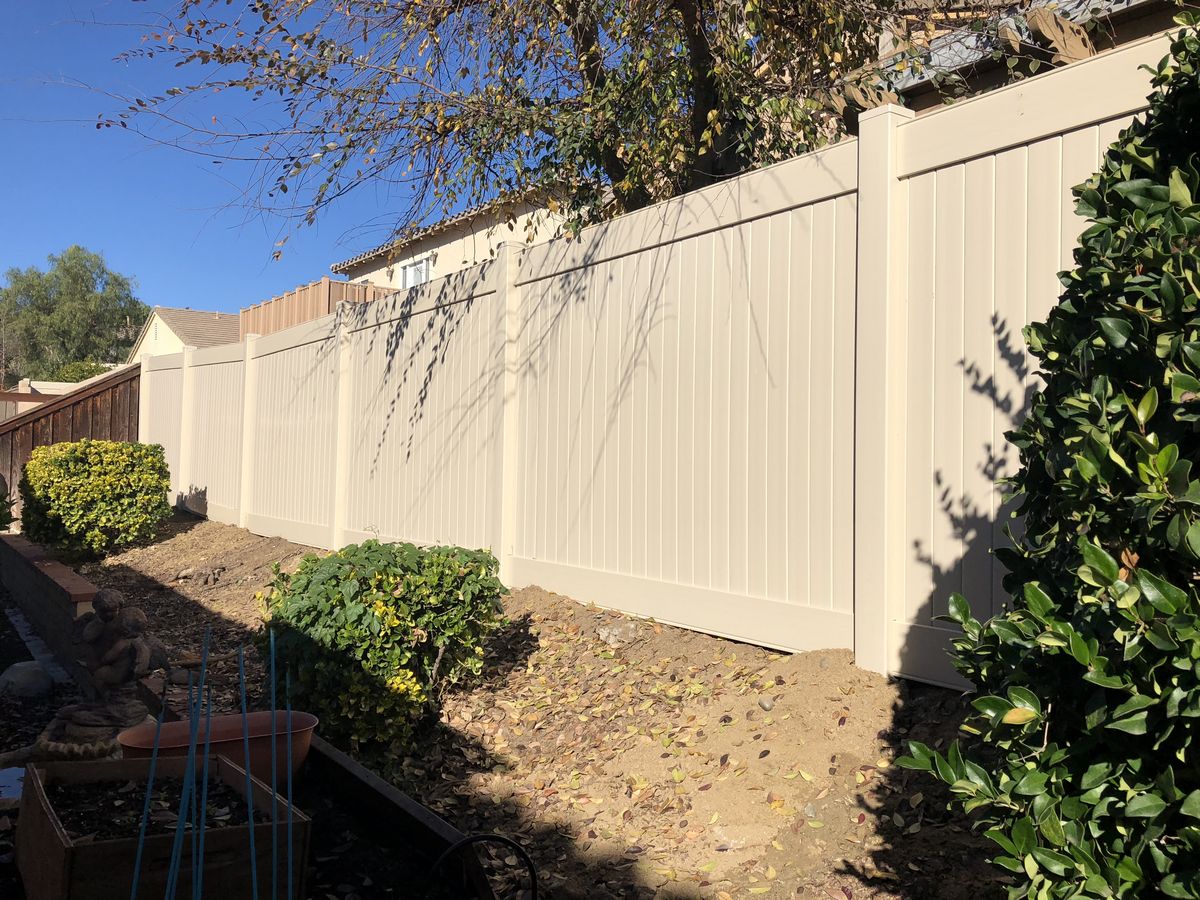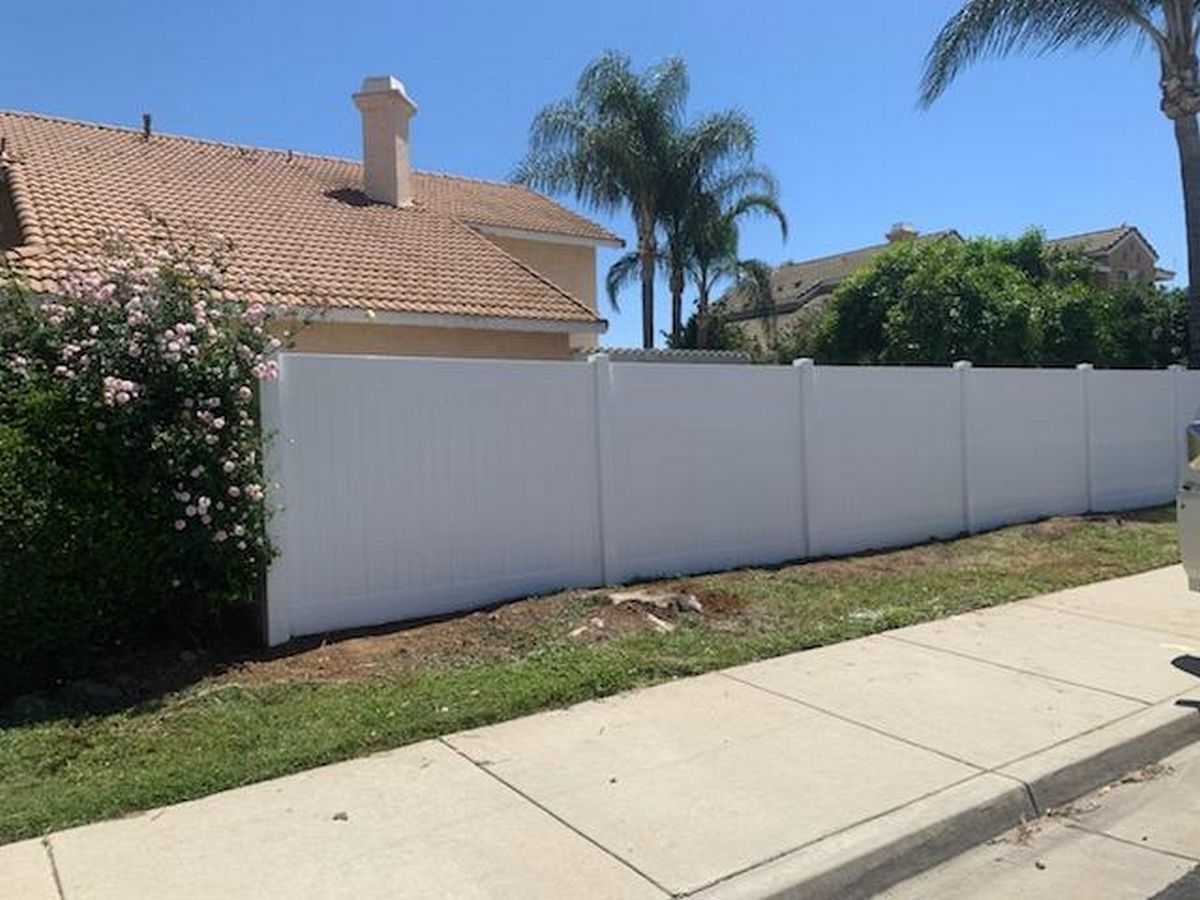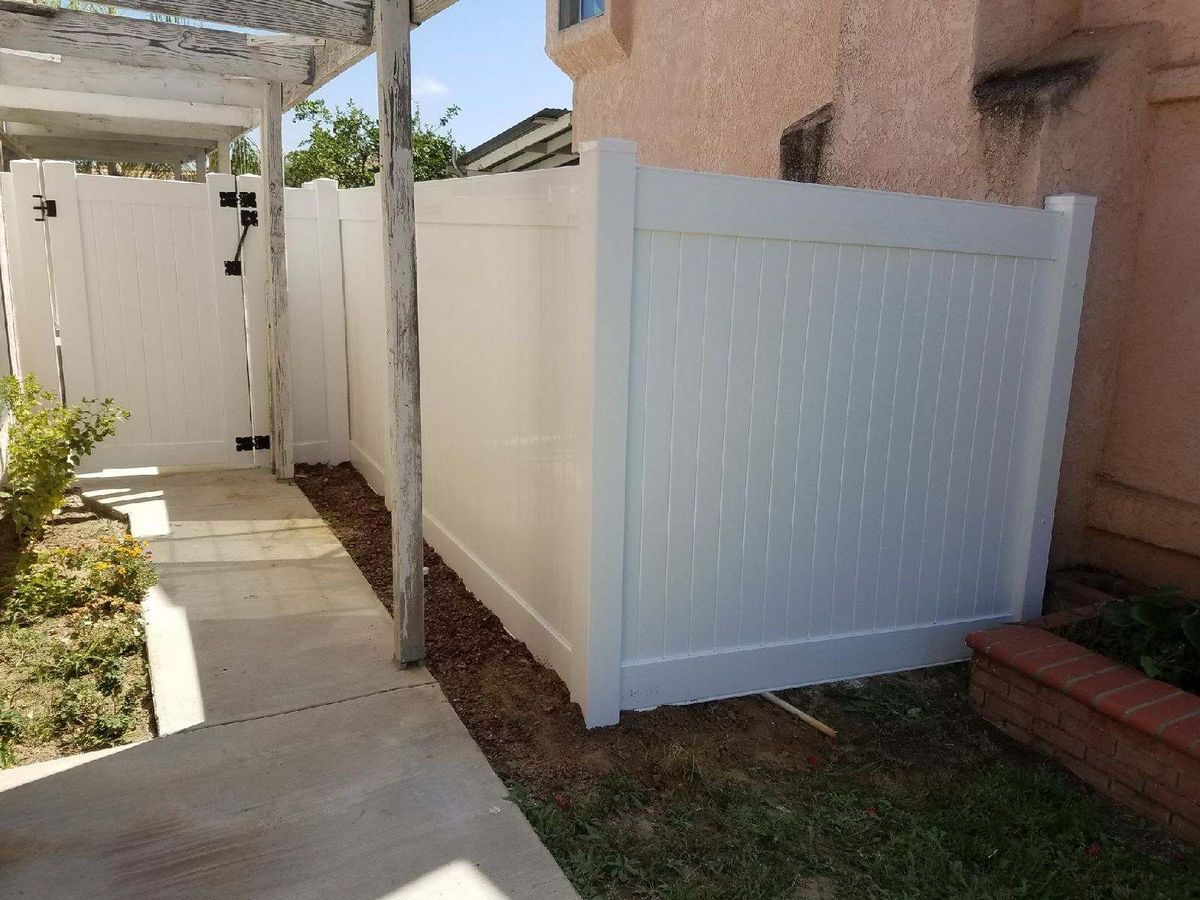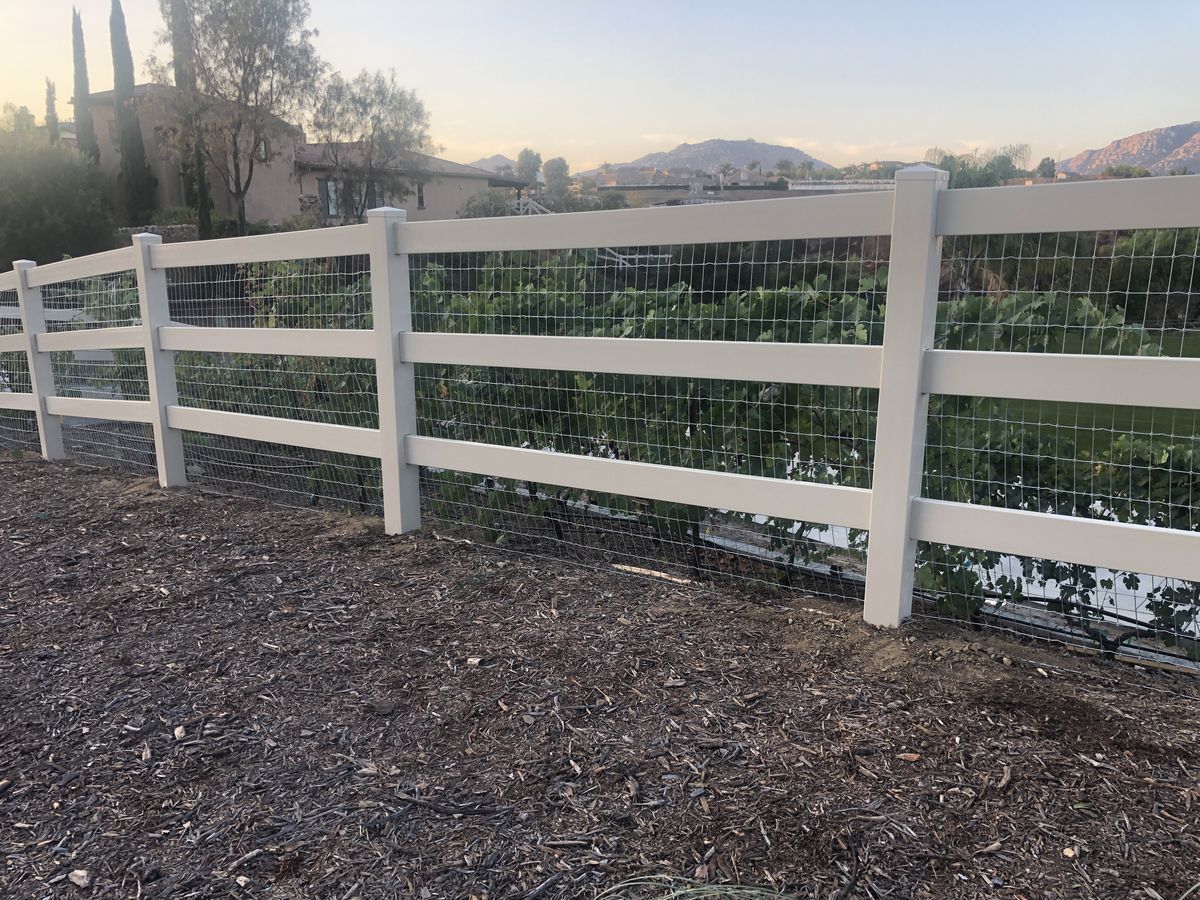
As more homeowners look for ways to make environmentally responsible decisions, fencing materials have become an important consideration. Vinyl privacy fencing offers several eco-friendly advantages while still providing durability, privacy, and long-term value.
Long Lifespan Reduces Waste
Vinyl privacy fencing is built to last for decades without rotting, warping, or deteriorating. Because it does not need to be replaced as often as traditional wood fencing, less material ends up in landfills over time. Its durability makes it a sustainable choice for homeowners focused on long-term impact.
No Harmful Chemicals or Treatments
Unlike wood fencing, vinyl does not require chemical treatments, stains, or paints to maintain its appearance. This eliminates the need for harsh chemicals that can seep into soil or runoff into the environment, helping keep your yard and surrounding areas cleaner and safer.
Low Maintenance Means Fewer Resources
Vinyl fencing requires minimal upkeep—no repainting, sealing, or frequent repairs. This reduces the use of additional materials, water, and energy over the lifespan of the fence, contributing to a lower environmental footprint.
Recyclable Materials
Many vinyl fencing products are recyclable at the end of their lifespan. This allows the material to be reused rather than discarded, supporting more sustainable building practices and reducing overall waste.
Preserves Natural Resources
By choosing vinyl fencing, homeowners reduce the demand for wood harvesting. This helps preserve forests and natural habitats while still providing a strong, attractive fencing solution.
Final Thoughts
Vinyl privacy fencing offers more than just privacy and durability—it’s also a smart, eco-friendly option for homeowners who want to reduce their environmental impact. With its long lifespan, low maintenance, and recyclable materials, vinyl fencing is a responsible and sustainable choice for modern homes.